
The Whack-a-Mole Pain Game
The game is afoot!

Greetings from Heathrow!
I had a terrific week in London catching up with friends ahead of a two week trip to Germany. There were roughly 3 trips to Borough market and I think I ate at least 2 things on each trip. This amount of calorie splurge is perfectly rational given the deliciousness of everything and the volume of walking we’ve done.
How Many Steps Must A Woman Walk Down?
Six months ago, my partner Marie was complaining of plantar fasciitis. Plantar fasciitis occurs when the muscle running along the bottom of the foot cramps and gets inflamed. I checked out her foot and noticed that the arch was raised noticeably and the beginnings of hammer toe were appearing.
These symptoms can happen - I suspect - if you wear small shoes or heels over a prolonged period of time. While I had my own opinions about what to do about the issue over the long run (stretching, self massage, and Alexander directing activities), these opinions did very little to address the immediate need that Marie had to walk to the subway and get through the work day. Understandably - and intelligently - she went to get things checked out by a doctor.
Her doctor fitted her for an orthotic shoe insert and gave her a stretch to do daily at home. Marie reported a rather instant improvement in the pain symptoms which was great but it left her with a conundrum to sort out. An orthotic is essentially a crutch for the foot that places a stiff arch under the inflamed muscles. It is easy to place in a shoe, but it comes with zero instruction manual.
This begs a question(s) that people rarely ask:
How exactly should she use this crutch?
Is it better to use in the mornings?
Should it be used all day forever?
What shoe alternatives are on the market that can help her foot heal?
These questions are tricky to answer! Without a continually developing sense of kinesthesia it become even harder to anwer as you enter…
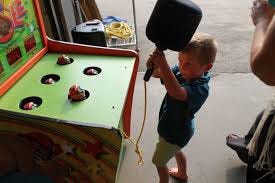
The Pain Whack-a-Mole Game
In Marie’s case, the early weeks of wearing the orthotics went ok. Her pain symptoms decreased and she slowly mixed in wearing some of her other shoes. Marie basically stopped wearing heels during this period. If the shoe did have a heel, it was typically between 1-2 inches1.
Over this period of time, we would occasionally chat about how things were going. I think I probably spent 30-45 minutes working with her feet about 3-4 times per week. I’d ask her to feel all the way into her toes as she slowly moved them with some manual assistance from me. Some flexibility was slowly returning to the feet, but something wasn’t quite right.
Fast forward to this week in London. We’ve spent about a week walking on cobblestones and have averaged about 17k daily. That’s a pretty tough level of exertion for anyone nursing plantar fasciitis AND Marie has not had her full collection of shoes on this trip. Her choices have been her sneakers with orthotics and her Vevo barefoot shoes (basically a flat piece of flexible rubber that has zero support).
Without the ability to mix up her shoe choices and basically only wearing the sneakers with orthotics, the foot pain came racing back only this time was different. Instead of complaining about pain along the bottom of her foot, Marie was now experiencing a lot of pain along the TOP of her foot. How could this be?
I had my suspicions about what was happening, so I suggested that we take the orthotics out of the sneakers and see how they feel that way. It’s not an ideal solution, but hey, we’re on the road! Marie decided to take one of the inserts out and stand with one shoe with and one without the orthotic.
With a clear way to compare the feeling of the orthotic, Marie noticed that the orthotic was pushing her foot up into a high arch and creating tension along the top of her foot. No wonder it hurt! What was interesting was that the foot with the orthotic felt totally fine along the bottom of the foot.
With this more complete sensation, Marie could finally sense the compromise of the orthotic and could slowly walk with a more healthy articulation of the foot. This new way of walking gave her a tiny stretch along the bottom of the foot as she stepped; the type of tiny stretch that will slowly alleviate plantar fasciitis and lengthen and widen the foot as a whole.
Whack-A-Mole
Pain is an interesting little gremlin, eh? In last week’s article, I sent Sasha a letter where I highlighted certain areas of tension and complimented them with black question mark zones. My suspicion in Sasha’s case is that her sense of feeling is being disproportionately drawn to the areas that create pain and stiffness and there are other areas of her torso that don’t feel like much of anything.
In Maries’s case, the pain along the bottom of the foot was high. When she put on an orthotic and felt pain relief, she naturally thought, “Thank goodness! This is better!”. But she did not ask herself how the whole foot felt (and honestly, in the presence of pain I wouldn’t expect anyone to notice that degree of subtlety when they feel pain relief). It was only after prolonged use of the orthotic that pain manifested along the top of the foot.
This process of chasing pain around is the whack-a-mole game I’m referring to. I think a lot of people find themselves in this trap and you can readily see it in someone that hunches at their desk or attempts to sit with a “good” upright posture.
At first, these folks sit with reasonable comfort for a minute. Slowly as they do their task, they slide into a slight slump and after about 10 minutes things start to hurt. Rather than take a break and walk around, most people will deal with this discomfort by stiffening up all over and forcing themselves into a rigid shape. After about a minute, they find that they are exhausted and begin to slump again. Comfort can never be found because they cannot feel how their choices are affecting their whole selves.
Get In Touch
If you’re in NYC, you may learn more about my private teaching practice at johndalto.com.
If you’d like to book any lesson time with me, you can find my booking link here.
Taller heels - say 4 inches - are that I imagine would be quite bad to wear over prolonged periods of time. But that’s not advice coming from personal experience… I’m just looking at people wearing them and thinking, “Yikes! That can’t be comfortable!”
insane timing. i've been dealing with weird plantar fasciitis/metatarsal pain recently, and have found that the "little stretch" helps a lot, but doing that mid-gait isn't sustainable. certain shoes are entirely off limits.
barefoots are helpful, but come with other drawbacks. any suggestions?
the pain is so strange btw. its there intensely for moments, and then gone the next. signals ...